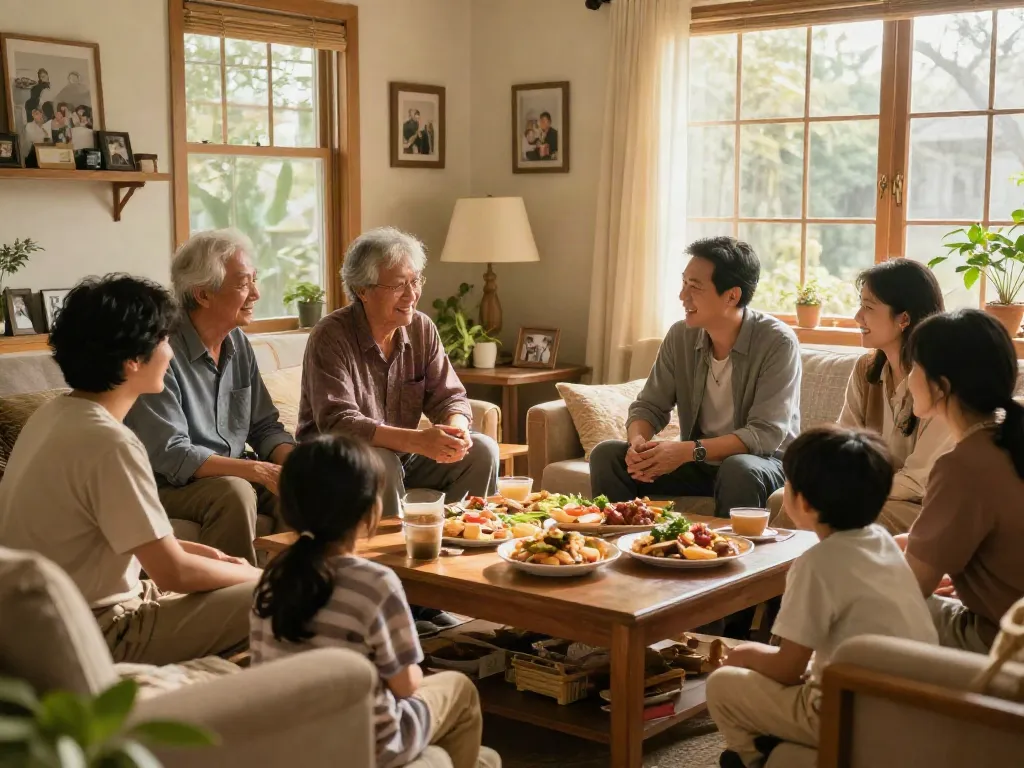
The Significance of Honoring Parents in 2026
In today's fast-paced world, the essence of family values often faces numerous challenges. Honoring our parents stands as a timeless virtue, yet the significance of this noble act transcends generations and cultural boundaries. As we venture further into 2026, it becomes increasingly vital to reflect on why respecting parents not only fulfills a moral obligation but also fosters personal growth and societal harmony. Understanding the implications of our familial relationships can enhance our emotional well-being and enrich our community dynamics. By embracing responsibilities and nurturing connections, we can build a foundation rooted in respect and gratitude. Furthermore, platforms like rokok88 slot login help foster engagement and dialogue around these crucial values.
Why Respecting Parents Matters
Respecting parents is fundamental to many cultures, acting as a cornerstone for a well-functioning society. Our parents are often our first teachers, guiding us through life's complexities with love and dedication. In many cultures, treating parents with respect symbolizes gratitude for their unyielding sacrifices. This relationship often reflects on other aspects of our lives, ranging from professional relationships to friendships, promoting a society of mutual respect and understanding.
Emotional and Spiritual Benefits
The emotional benefits of honoring our parents are profound. Engaging positively with our parents fosters a sense of belonging and security, enhancing our emotional resilience. On a spiritual level, many cultures teach that the blessings bestowed by honoring one's parents can lead to a more fulfilled and prosperous life. This spiritual dimension often translates into a sense of peace and contentment, giving life a deeper meaning. Practicing respect towards our parents also encourages us to appreciate the values and lessons they impart, aiding personal growth.
Balancing Modern Life with Family Values
Modern life demands an ever-increasing commitment to work and social obligations, often leading to the neglect of family relationships. Finding a balance is crucial to maintaining healthy family dynamics. It is essential to carve out quality time for parents amidst our busy schedules. Simple acts, such as regular phone calls or visits, can significantly strengthen these ties. Further, technology can play a pivotal role in bridging the gap; using social media and video calls enables families to stay connected, even when physically apart.
Practical Ways to Show Gratitude
Gratitude towards parents can be expressed through various meaningful actions. While grand gestures are often appreciated, the simplest acts often hold the most significance. Consider the following practical approaches to demonstrate appreciation:
Simple Acts of Kindness
- Offering assistance with daily chores or errands can greatly ease their burdens.
- Preparing a meal or sharing a favorite recipe can be a delightful surprise.
- Writing a heartfelt letter expressing your love and gratitude is a timeless gesture.
Communicating with Respect
Communication is the bedrock of any healthy relationship. Engaging in respectful dialogue, even during disagreements, is key to nurturing the parent-child bond. Listening actively and validating their feelings can go a long way in demonstrating respect. This form of communication breaks down barriers and fosters a healthy exchange of ideas, further enriching the relationship.
Quality Time: A Precious Gift
Nothing substitutes the value of spending quality time together. Whether it's a weekly family dinner or a weekend outing, these shared experiences create lasting memories. Time invested in your parents cultivates an environment that allows love and appreciation to flourish. Prioritizing these moments reinforces family bonds and serves as a testament to your commitment to honoring them.
Overcoming Common Challenges
While we strive to nurture our relationships with parents, various challenges can arise. Understanding and proactively addressing these hurdles is crucial for maintaining harmony in family life.
Addressing Misconceptions About Family Roles
Misconceptions about family roles can lead to confusion and resentment. In many families, cultural expectations may dictate how children should behave towards their parents. Clear communication helps dispel these misconceptions, allowing family members to understand each other's expectations and needs. Recognizing that respect is not one-sided can lead to healthier dynamics.
Dealing with Generational Gaps
As society evolves, generational gaps can make it challenging for parents and children to relate to each other. These gaps can manifest in differing values and beliefs. Acknowledging these differences, while being open to compromise and understanding, can bridge these gaps significantly. Encouraging parents to share their experiences while also expressing your views can foster empathy and shared understanding.
Avoiding Common Missteps in Family Dynamics
Common pitfalls such as assumptions and generalizations about each other can strain relationships. It’s important to approach each situation with an open mind and a willingness to adapt. Taking time to engage in reflective practices within the family—such as family meetings or discussions—can help clarify misunderstandings and set a positive tone for future interactions.
The Impact of Family Relationships on Personal Growth
The relationships we cultivate within our families profoundly shape our identities and emotional health. By nurturing these bonds, we pave the way for personal growth and resilience.
Building Emotional Resilience
Parents play a crucial role in our emotional development. By modeling healthy coping strategies and demonstrating unconditional love, they equip us with the tools needed to face life's challenges. Valuing this relationship enriches our emotional intelligence and resilience, allowing us to navigate adversity with confidence.
Creating a Supportive Home Environment
A supportive home fosters a sense of safety and belonging. It nurtures open communication, encourages vulnerability, and builds trust. Families that prioritize respect and gratitude cultivate an atmosphere where every member can thrive, fostering personal development and self-acceptance.
Lessons Learned from Family History
Family history often provides valuable lessons that can guide personal choices and values. Reflecting on past experiences and shared stories can inspire individuals to uphold family traditions while forging their own paths. Understanding our roots helps us appreciate the sacrifices made by previous generations and reinforces the importance of honoring our parents.
Future Trends in Family Values and Technology
As we continue to evolve, so do the dynamics of our family relationships, especially in light of technological advancements. Thus, it's essential to examine how these changes influence our roles and responsibilities within the family.
The Role of Online Communities like ROKOK88
Online communities such as ROKOK88 serve as platforms for sharing family-centric values and experiences. These digital spaces facilitate meaningful conversations and provide resources for individuals seeking to strengthen familial bonds. Engagement through these platforms allows for shared experiences and support, creating a sense of belonging in an increasingly disconnected world.
How Technology Influences Family Interactions
Technology has revolutionized how families interact, making connections more accessible than ever. However, it is essential to leverage these tools positively. Maintaining physical interaction while using technology to supplement communication can bridge gaps created by distance. Emphasizing family-sharing apps, video calls, and social media can enhance relationships while keeping the human connection intact.
Predicting Changes in Family Dynamics by 2026
Looking ahead, family dynamics will likely continue to evolve due to societal shifts and technological advancements. Embracing flexibility and adaptability will be crucial for future families. As we adjust to these changes, the core values of respect and gratitude will remain timeless. Families that prioritize these principles are likely to nurture deeper and more supportive bonds, regardless of how society continues to change.
What are the best ways to show respect for parents?
Respect can be shown through simple everyday actions, reflective communication, and by carving out quality time together. Listening attentively, helping with tasks, and expressing gratitude can go a long way.
How can technology enhance family relationships?
Technology can enhance family relationships by facilitating communication and connection. Regular video calls and social media sharing can help families stay connected even over long distances, while family-oriented apps can promote engagement.
What challenges do families face today?
Families today face challenges such as time constraints, generational gaps, and technological distractions. Addressing these issues through open communication and shared activities can help overcome these hurdles.
How does honoring parents affect personal growth?
Honoring parents fosters emotional resilience, instills values, and builds a support system that is crucial for personal development. It reinforces a sense of belonging and purpose, essential components for growth.
What role does the community play in family values?
The community plays a vital role in reinforcing family values by providing support, resources, and platforms for sharing experiences. Engaging with community initiatives can strengthen family ties and promote shared values.